
On Plants, Time, and Deep Blue - Guest Post by Lilablum
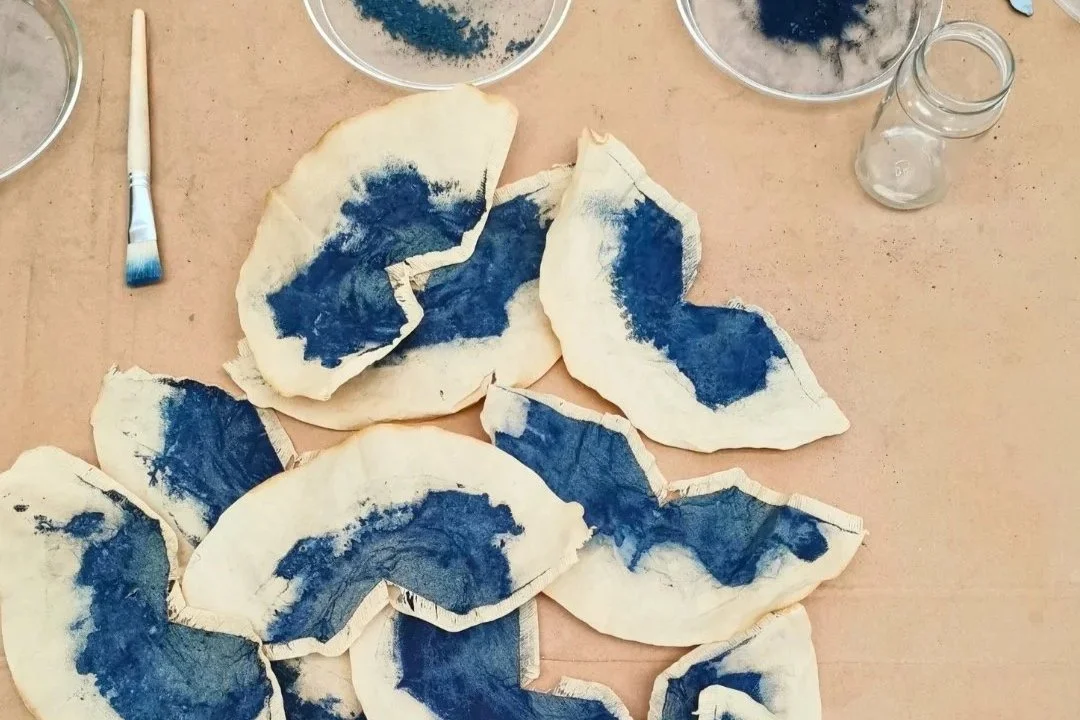
Some colors carry time within them. Indigo is one of them—a deep blue that is not loud, but effective. Quiet, slow, and full of memories.
Indigo is considered one of the oldest dyes known to mankind and is still surrounded by a special magic today. Natural indigo was already being used over 4,000 years ago in cultures around the world – from India to China to Africa and Central America. Extracted from plants such as Indigofera or Japanese indigo (Persicaria tinctoria), it was once a precious commodity.
With the invention of synthetic indigo at the end of the 19th century, natural dyeing fell increasingly into oblivion. Today, it is experiencing a quiet renaissance – as a symbol of slow, sustainable craftsmanship.
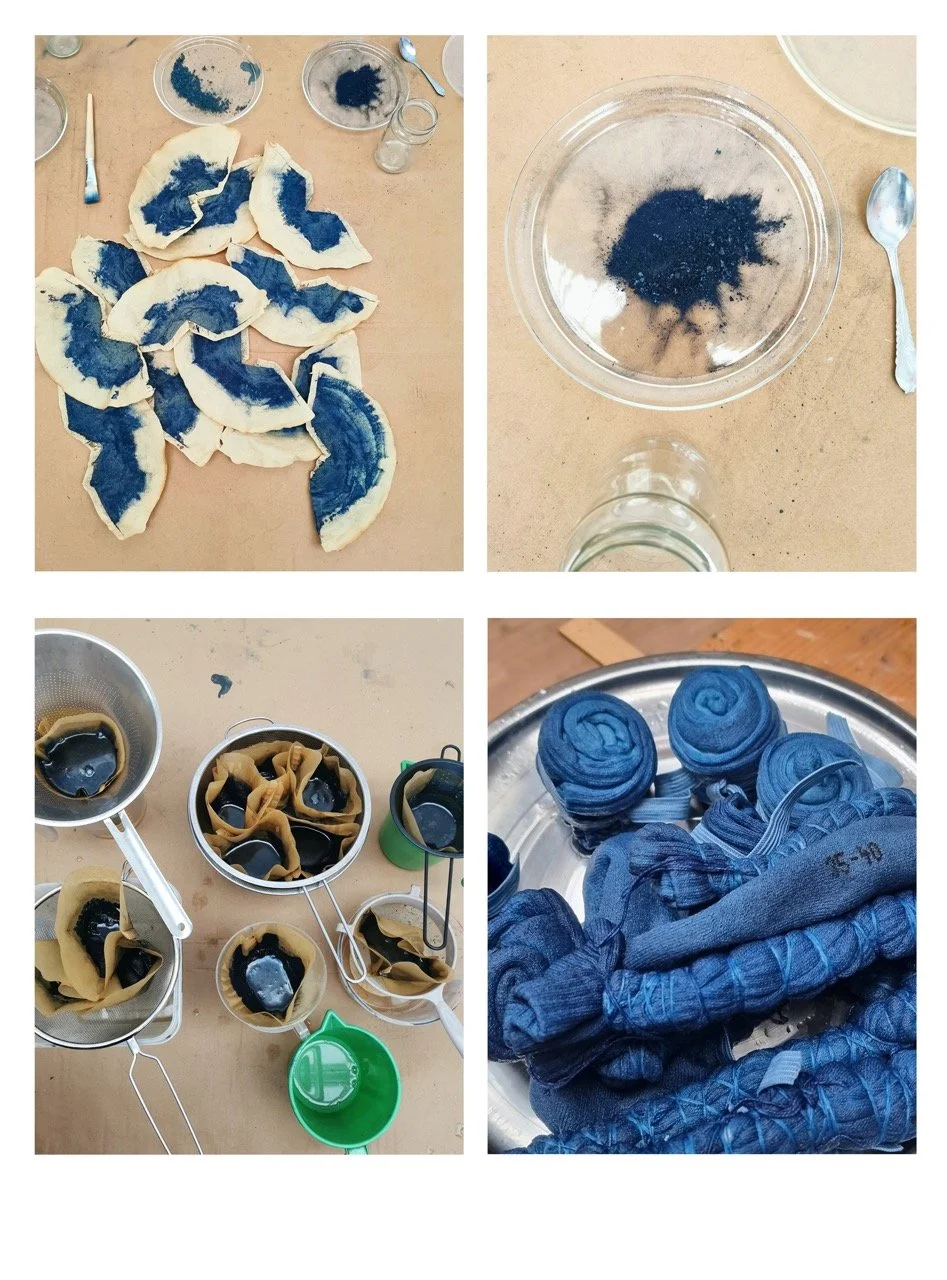
Photo Lilablum, Indigo
Corina from lilablum.ch has been super passionate about natural plant dyeing for ages. With her textile label, she creates naturally dyed fabrics, products, and workshops. These are all about traditional dyeing wisdom and being mindful with both materials and time.
In this guest post, she shares her personal experience with Indigo:
“This year, I got to dive even deeper into the world of indigo: I planted Japanese indigo (Persicaria tinctoria), looked after the little plants, harvested the leaves, and then, through fermentation and oxidation, made my very own indigo pigment. It’s a slow, mindful process that needs a lot of patience and really touched my heart.” - Corina, lilablum
This intensive process, carried out in collaboration with artist Rebekka Gnädinger, has resulted in hand-dyed indigo socks. They were dyed with natural indigo using the traditional Japanese shibori technique—each pair is unique.
Each piece tells its own story: of plants, time, and craftsmanship.
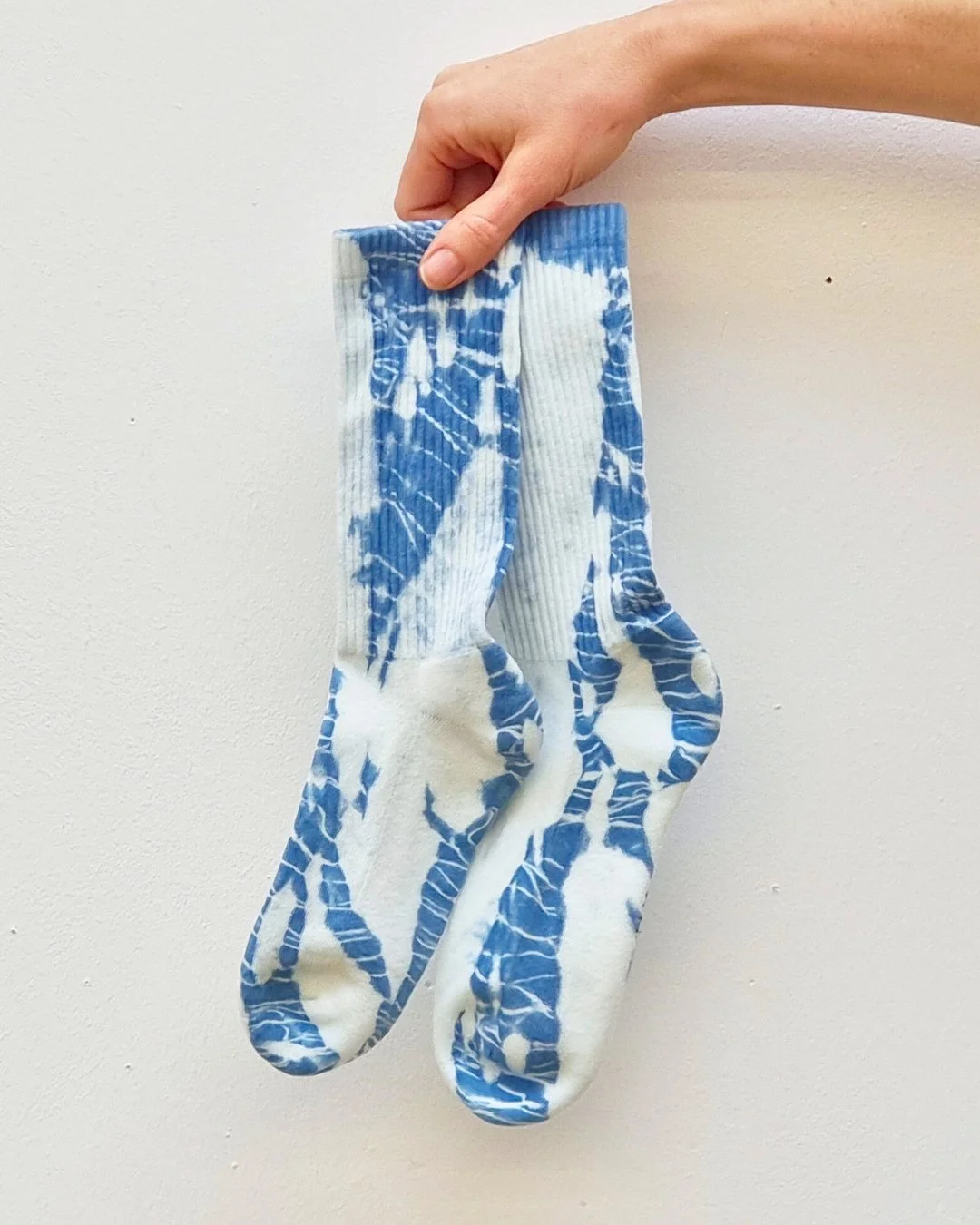
Socks by lilablum dyed with indigo
Indigo – a deep blue that lives, remembers, and quietly carries time, light, and touch within itself. 💙 Whether as a bag, on your feet, or in your heart as a feeling.
Guest contribution by lilablum. Lilablum is a Swiss company that makes timeless, sustainable everyday products with a focus on natural textile dyeing using plants and food waste. All products are made in Swiss social workshops for work integration.