Origin
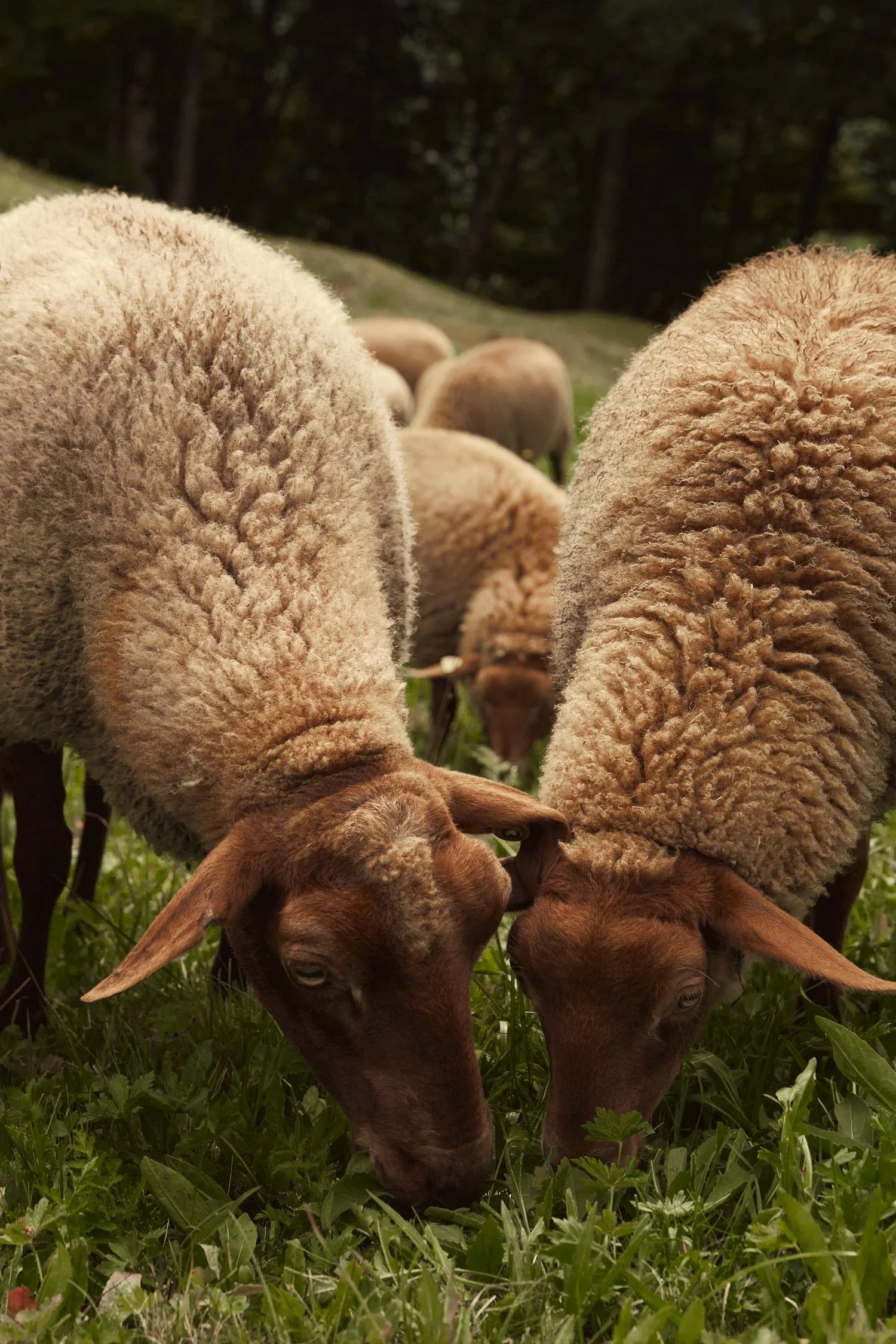
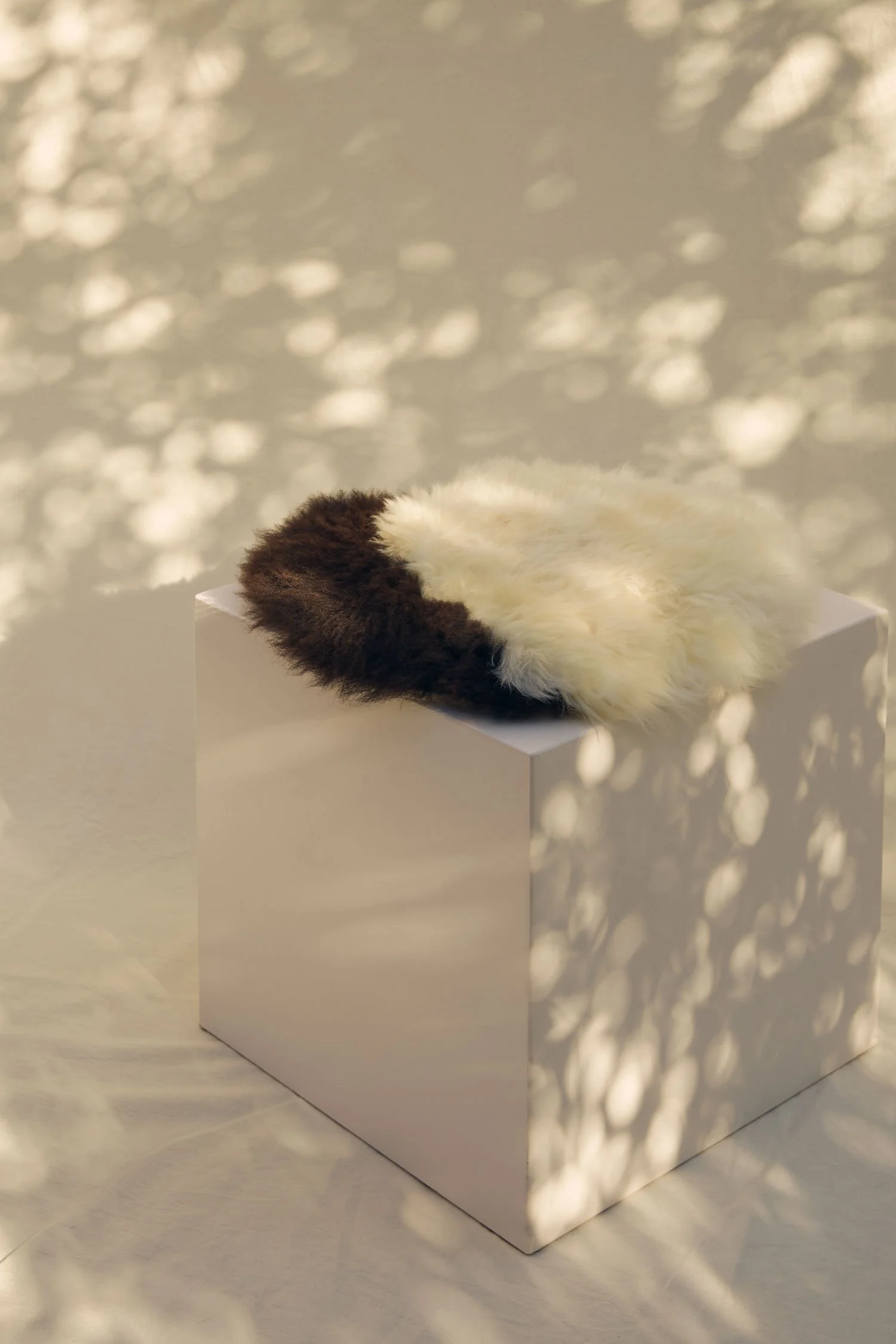
Our sheepskins all come from animals from the Bernese Oberland, Valais and Grisons. Swiss farmers keep sheep especially for the production of lamb meat, but the importance of sheep milk production is increasing. In addition, sheep are very important for landscape maintenance in hilly and mountainous regions, where they contribute to the preservation of high alpine pastures and biodiversity.
However, the majority of Swiss sheepskins are disposed of nowadays. Instead, skins from merino sheep are imported from New Zealand and Australia, whose wool is somewhat finer. But to burn such a wonderful material and have the skins flown in from far away is incomprehensible in our eyes. By processing local sheepskins, we contribute to a meaningful use of existing resources.
Tanning
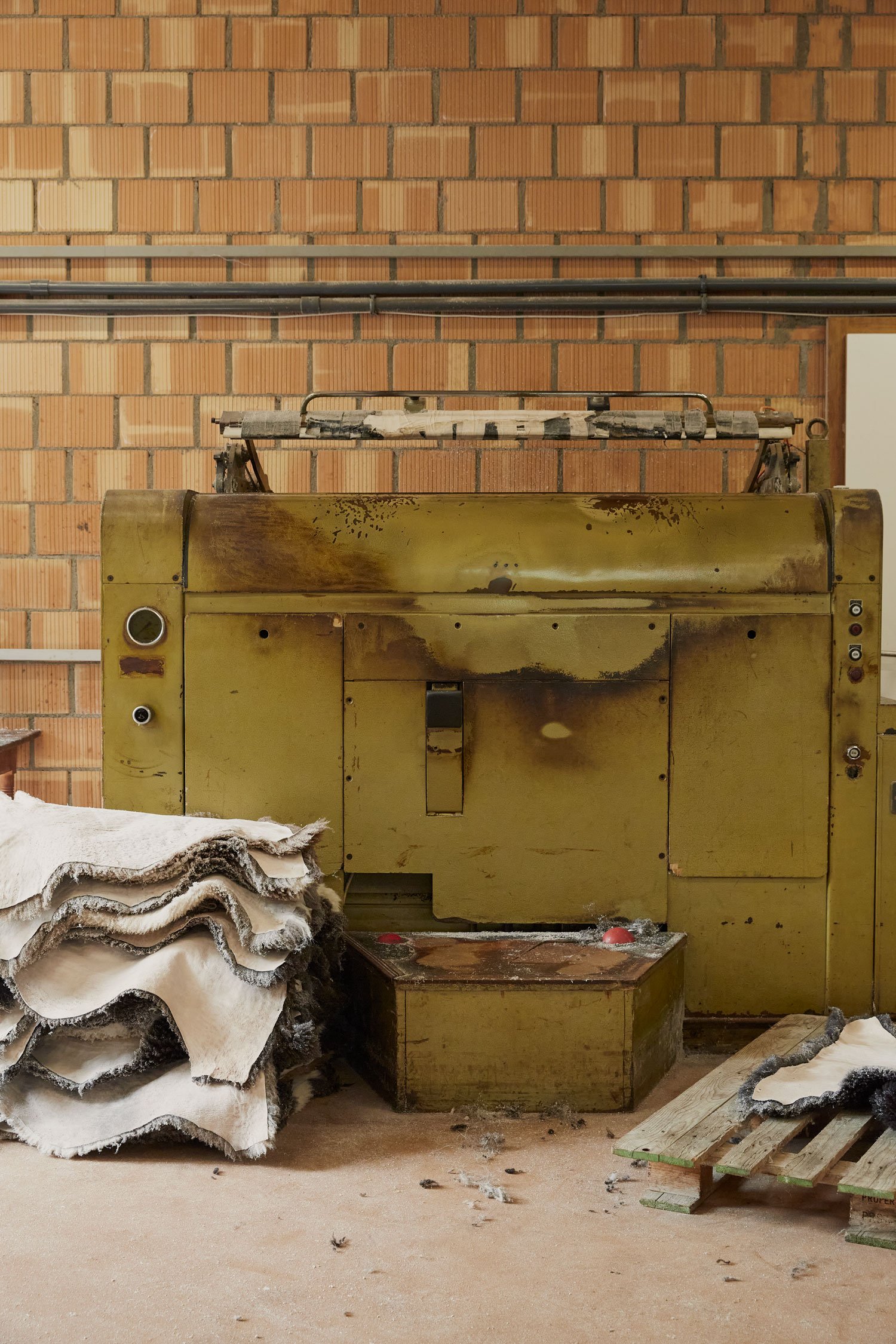
Our sheepskins are tanned at the Neuenschwander tannery in Emmental. It is one of the last of its kind in Switzerland. In a gentle and environmentally friendly processing, the raw hides are turned into high-quality skins. The tanning is purely vegetable based on mimosa, an acacia plant, which gives the leather a brownish hue. The result is a natural product of unique quality.
Craft
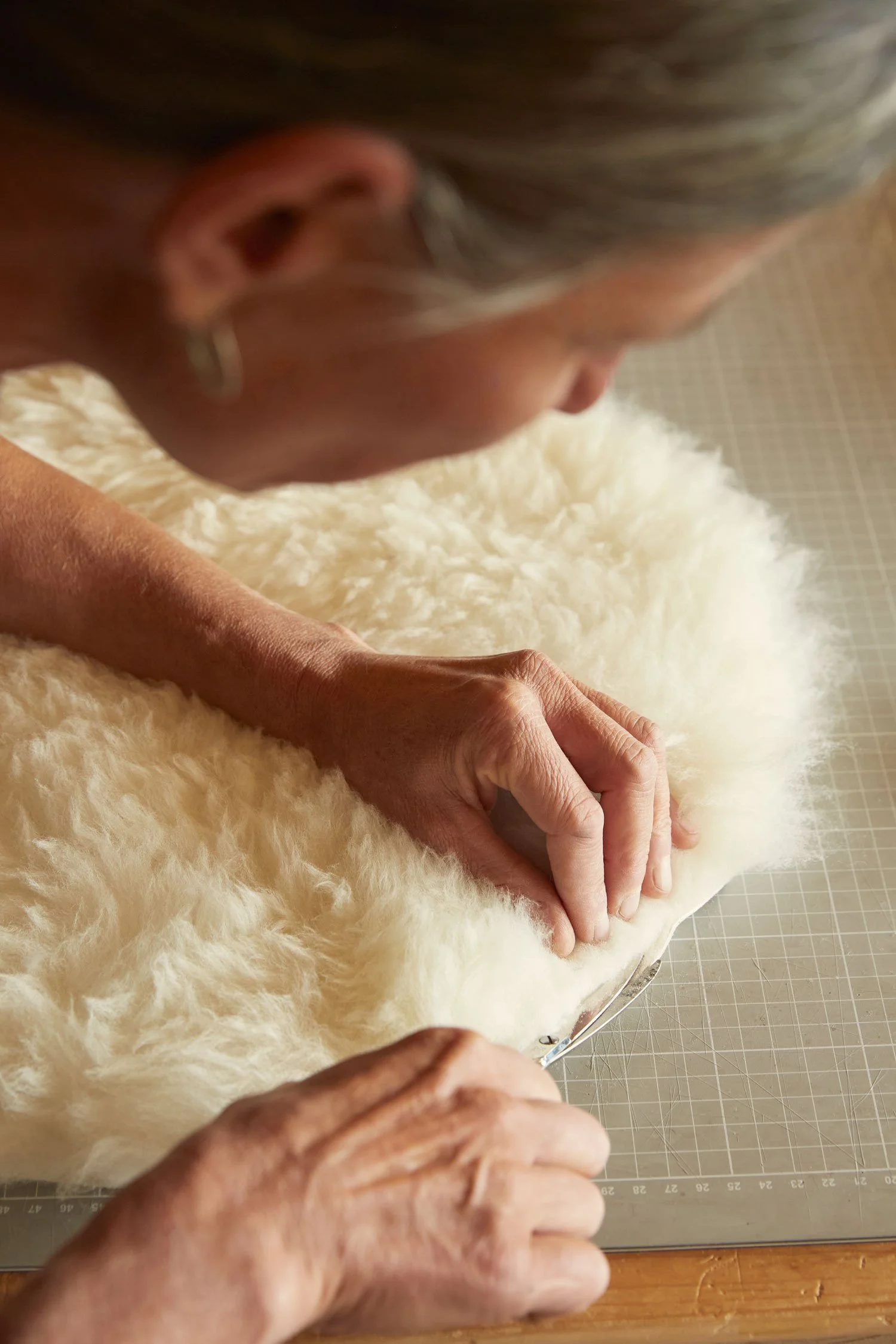
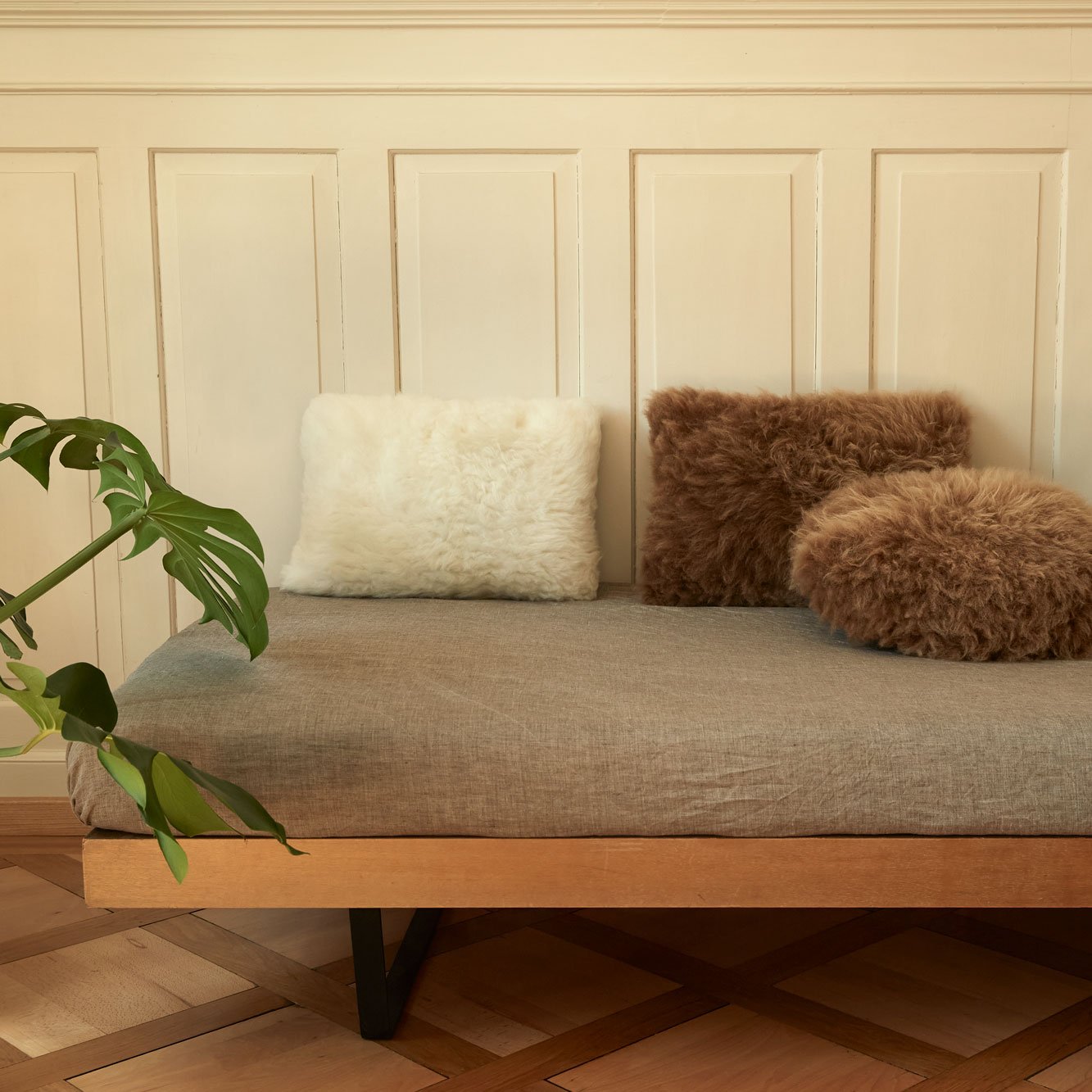
Our pillows take shape in Prättigau, high up in the mountains of Graubünden, inside Sonia’s small workshop. Sonia lives closely connected to the nature around her—spending summers walking the alpine pastures with cows and horses, and dedicating the winter months to crafting leather and sheepskin pieces by hand, using only materials whose exact origins she knows.
Our sheepskin collars, on the other hand, are crafted in a specialized furrier's workshop in Austria, where working with sheepskin has a deep-rooted tradition. Master furrier Anton has run his workshop for many years, breathing new life into old coats alongside his team to create cherished new pieces—and sewing beautiful objects, just like the ones he makes for us.
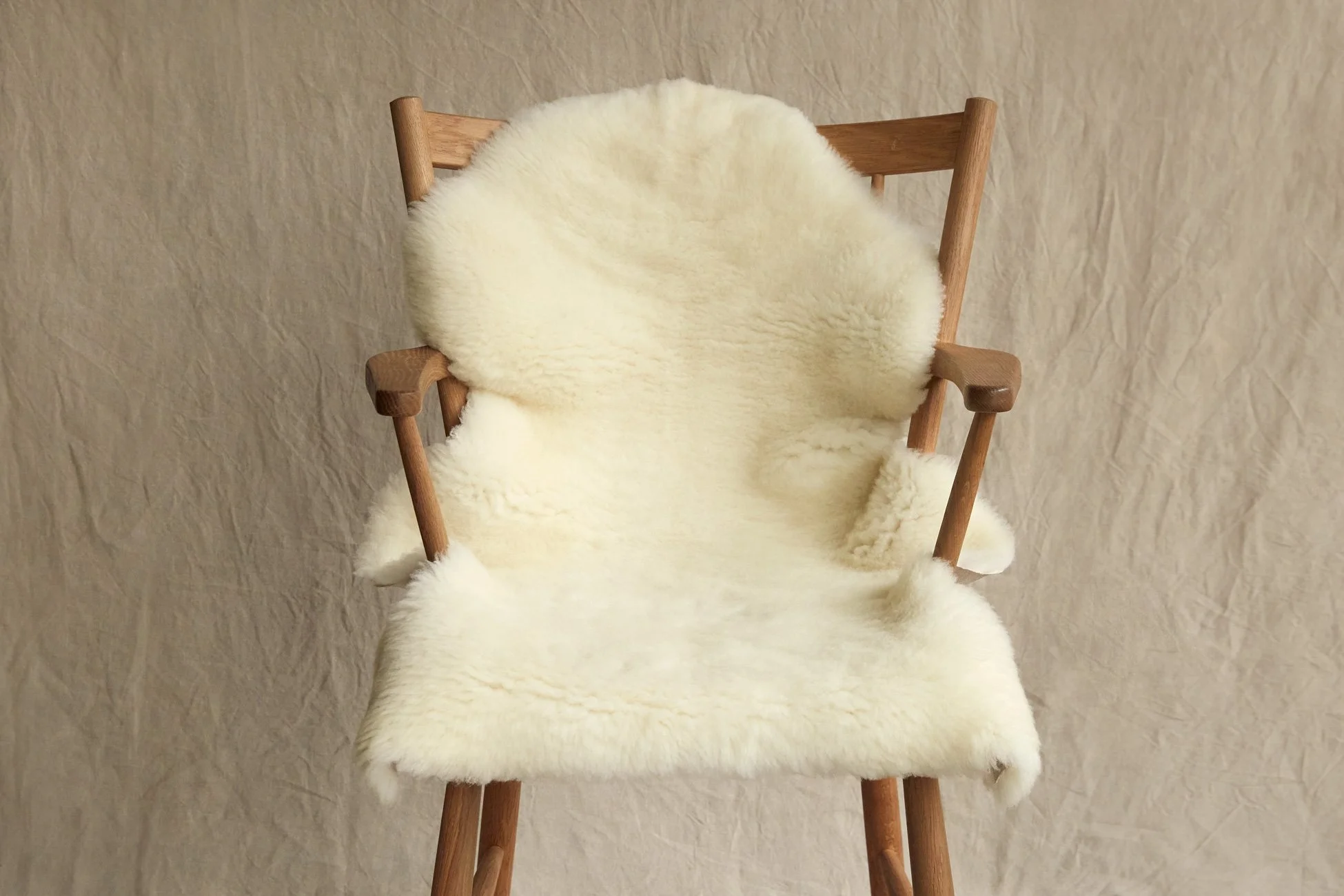
Discover our skins in the shop.